Double glazing wooden and character windows
Double glazing wooden windows means keeping the sash you have and fitting a slim sealed unit into it, so a villa or bungalow stays looking like one from the street. It costs more per pane than aluminium, and it's more often worth doing. For other frame types, see Double glazed windows in Christchurch.
Get a quoteHow double glazing goes into a timber window
A single pane sits in a shallow rebate held by putty or a thin bead. A sealed unit needs a deeper one, so the sash is routed out to take it, the unit is bedded in, and a new bead is made to suit the profile. On a casement or awning window that is the whole job. On a double-hung sash the cords and weights come into it too, which the sash section below covers.
Two things make the difference between a good timber retrofit and a poor one. The first is hardware. A unit weighs roughly twice what the old pane did, and Christchurch homeowners have reported hinges and stays left unchanged, with sashes that dropped afterwards. The second is seals. An old sash leaks air around its edges, and new glass does nothing about that. Ask whether draught seals are in the quote, and whether the glazier fits them or you're expected to find someone else.
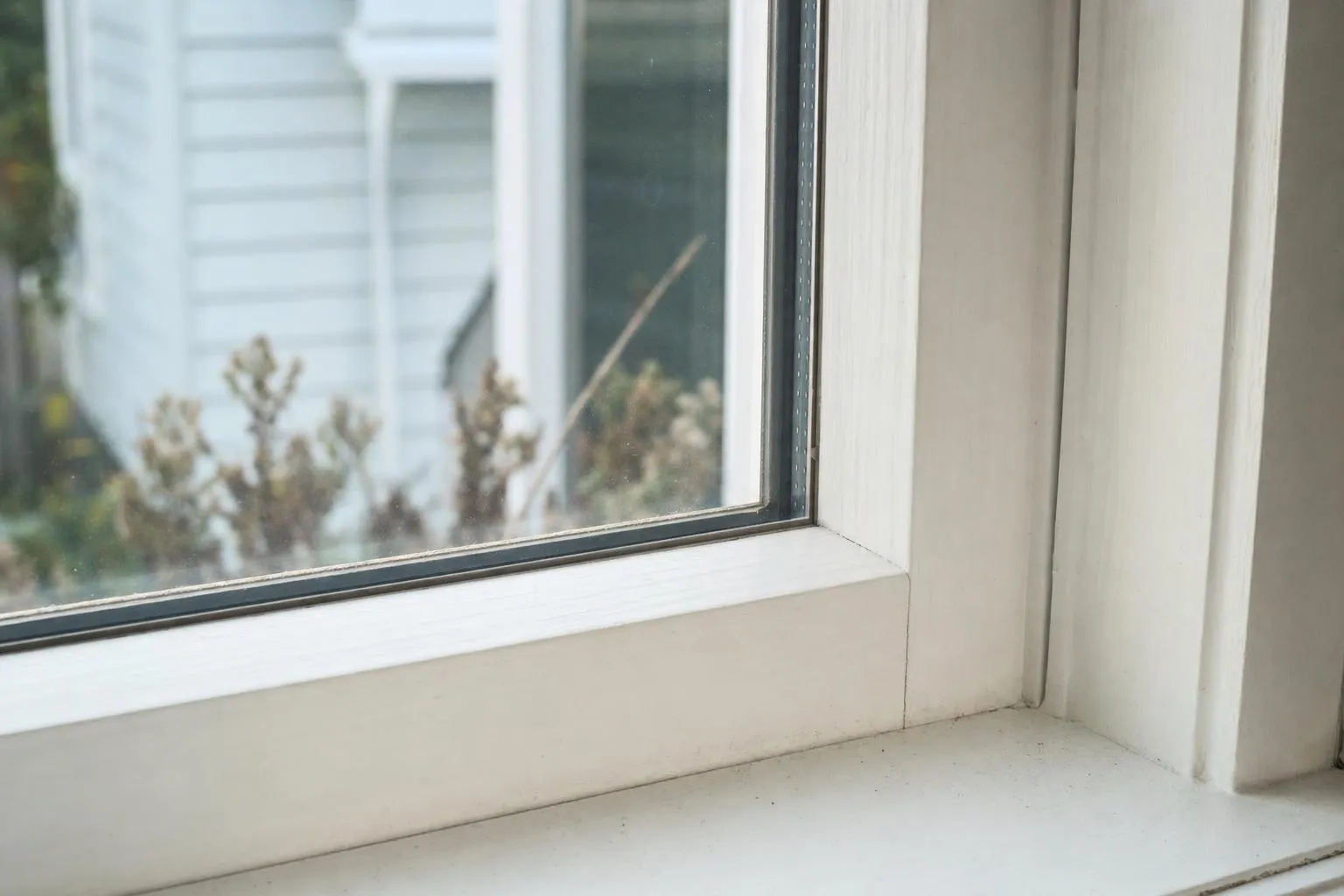
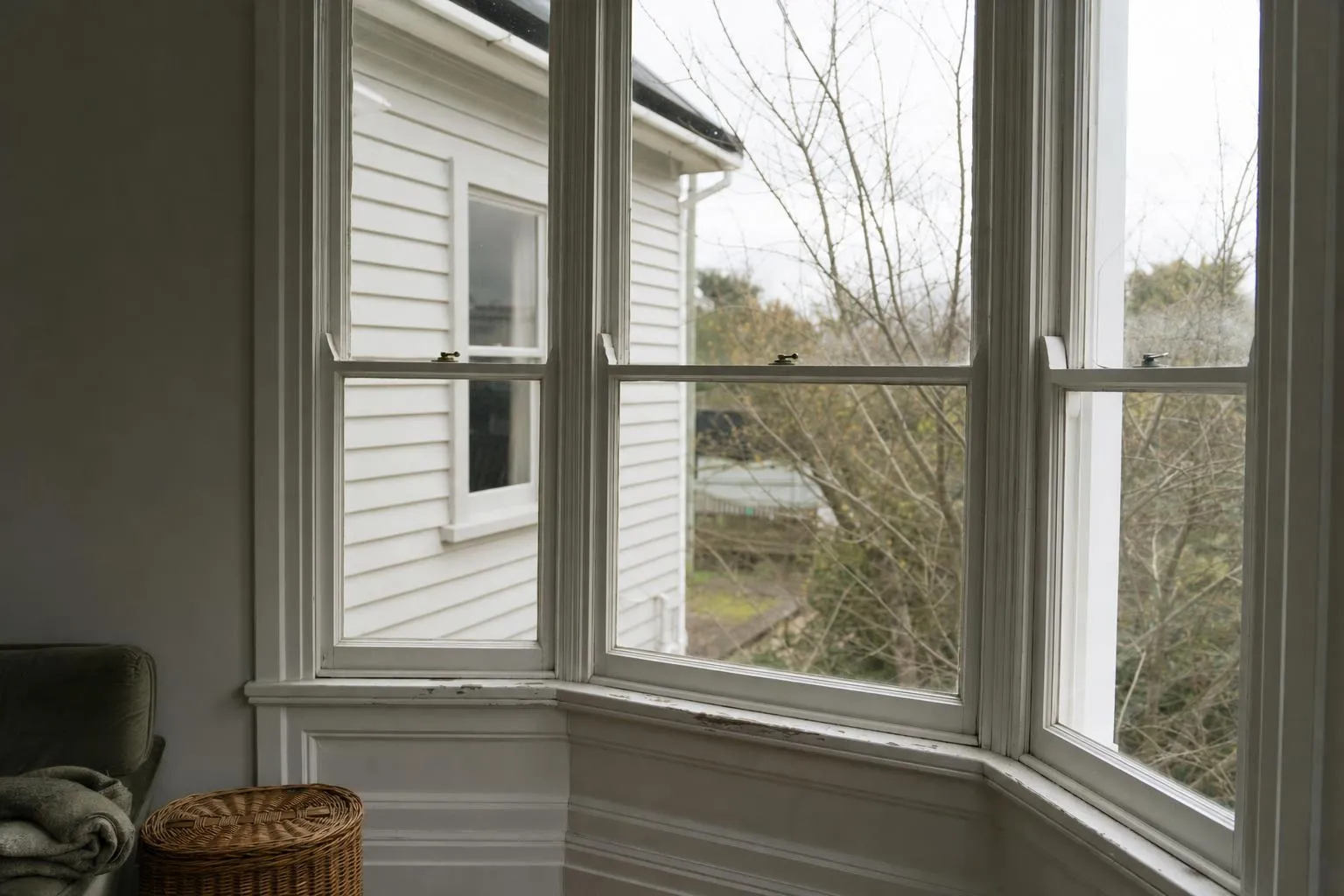
Is your timber sound enough?
Press a screwdriver into the bottom rail and the lower corners of each sash, and along the sill. Soft timber, paint that has bubbled off in sheets, or filler from an earlier repair all mean the installer will want to look harder. A sash that has twisted so the glass no longer sits flat is a problem too, because a sealed unit is rigid and the old pane wasn't.
None of that rules the window out on its own. Rot is repaired, and some installers offer a new sash made to fit the existing frame, which keeps the frame, the architraves and the look while replacing the part that was failing. It does mean that window will cost more, and the quote should show why, line by line.
Villas, bungalows and character areas in Christchurch
This page is mostly about Christchurch's early 20th-century villas and bungalows. The council's own design guide for the Dudley character area in Richmond describes them: weatherboard, corrugated iron roofs, verandas, and bay and box windows. Heaton's guide describes English Domestic Revival houses with bay and box windows and small panes set in large frames. Both guides ask that existing window detailing be kept, which is exactly what retrofit does.
There's a planning point to check first. If your home is in a character area or heritage area, changing street-facing windows may need resource consent. Retrofit glazing keeps the frames, but the District Plan doesn't spell out whether that counts as altering the exterior, so check your property on the Christchurch District Plan maps or ask the council's duty planner before you commit. Building consent is a separate question, and for windows in a house of up to two storeys it usually isn't needed.
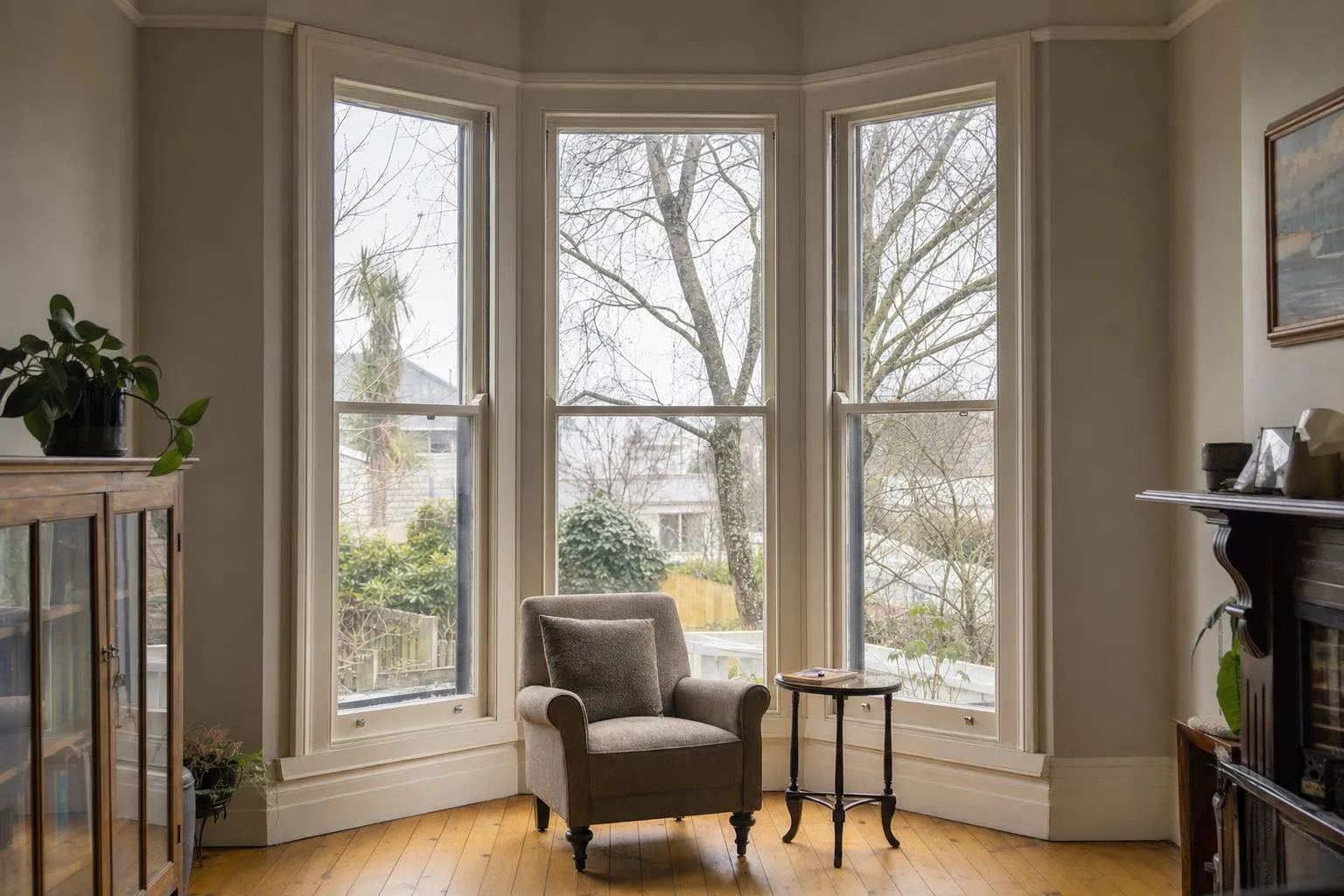
Got a villa or bungalow with the original sashes?
Say how many windows and roughly when the house was built. The installer will tell you what's realistic before booking a measure.
Sash windows and the extra weight
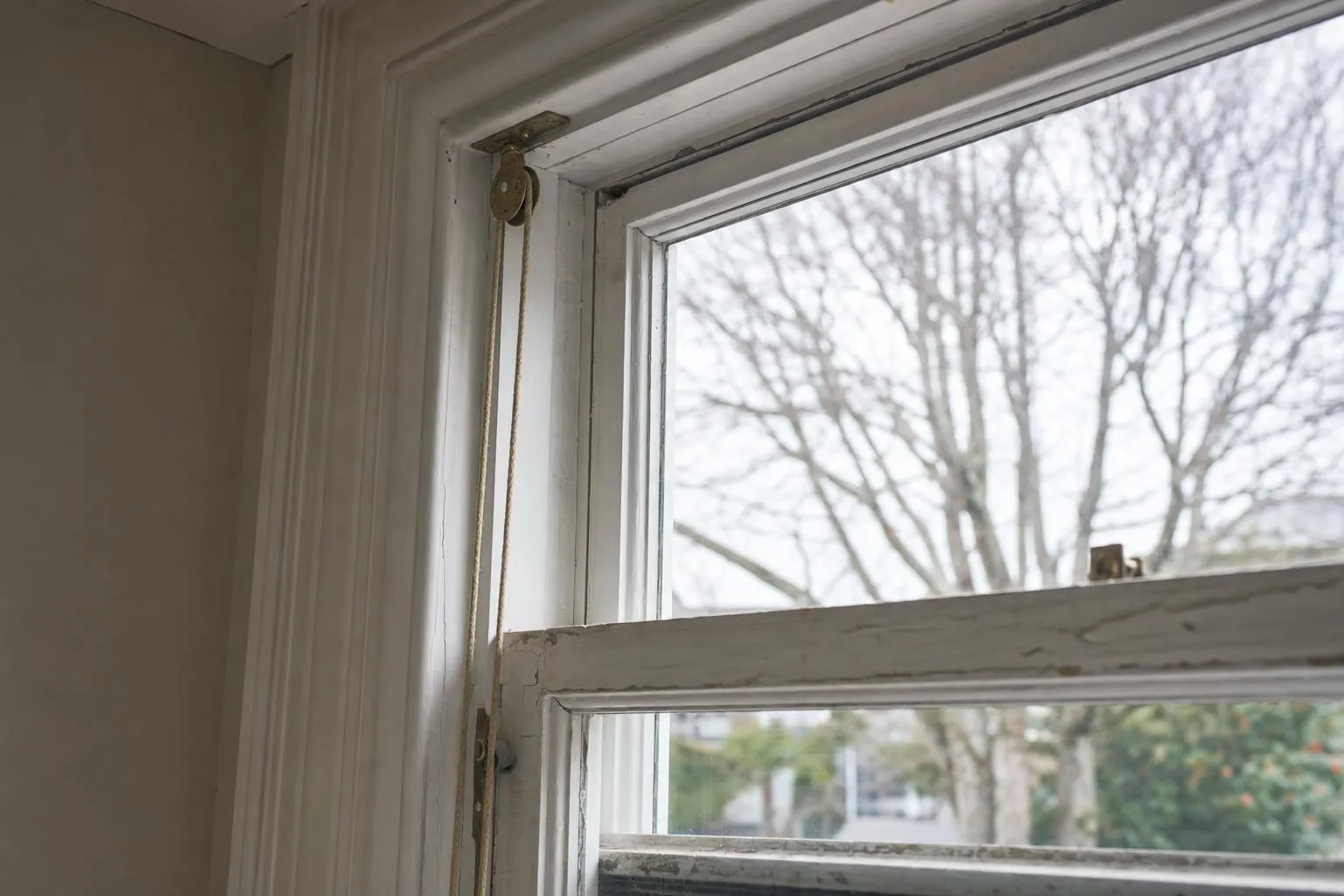
A double-hung sash runs on cords over pulleys with cast weights hidden in the frame, balanced to the weight of the sash. Put heavier glass in and the balance is gone, so the sash won't stay up or drops when you let go. So a sash retrofit means opening the weight pockets, adding to the weights or fitting new balances, and replacing tired cords while they're at it.
It's fiddly and takes longer than a casement, which is why sash work sits at the top of the timber price range. But sashes also leak the most air in an old house, so you notice the difference more.
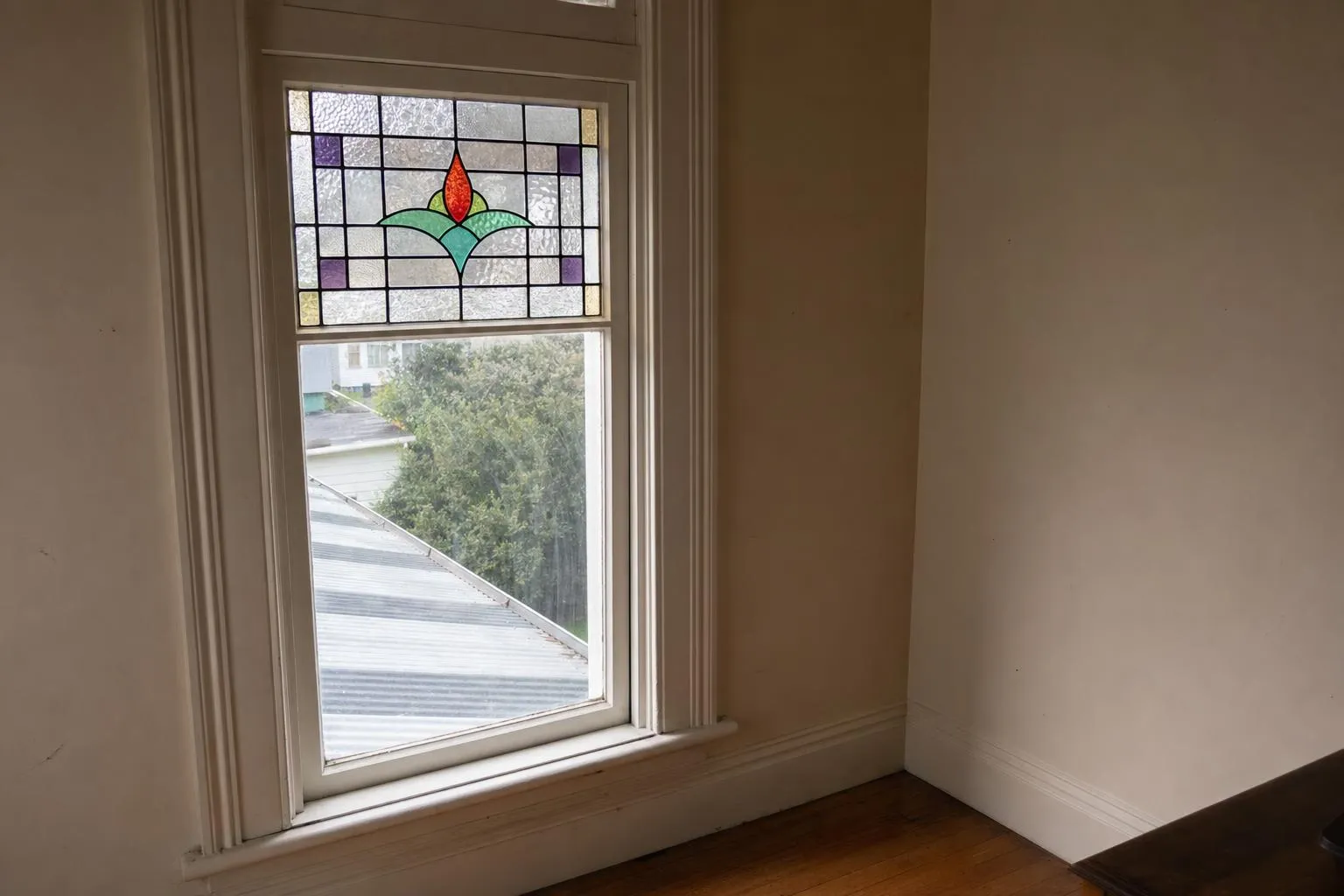
Leadlights and decorative glass
Leadlight panels, stained glass and most decorative glazing can't take a sealed unit, because the panel is the glass. Christchurch owners of 1920s villas ask about this a lot. The usual options are to leave those panels single glazed and do the rest of the house, or to fit secondary glazing over them on the inside so the panel stays as it is. Ask the installer which they recommend for yours and whether they handle the leadlights themselves or bring someone in.
What timber retrofit costs
About $800 to $1,200 per pane, or roughly $15,000 to $30,000 for a three-bedroom house in timber or mixed frames. Published NZ installer pricing, 2026, including GST. Sash work, rot repair and draught seals are extra. The double glazing cost guide covers what a quote should itemise, and the retrofit double glazing page covers the job itself.
- Retrofit, timber frames~$800–1,200 / pane
- 3-bedroom, timber or mixed$15,000–30,000
- Sash weights, rot repair, sealsOn the quote
Published NZ installer pricing, 2026, incl GST
Wooden windows FAQ
Can wooden windows be double glazed?
Yes, if the timber is sound. The sash is routed to take a slim sealed unit, new beads hold it in, and the hardware is checked against the extra weight. It is the standard retrofit for villas and bungalows, and it keeps the look of the window from the street.
Can you double glaze old wooden windows?
Age doesn't matter much. Rot does. A hundred-year-old sash in good paint retrofits fine. One that is soft at the joints, badly distorted or patched with filler needs repair or a new sash first. Some installers offer a replacement sash fitted into the existing frame for exactly that case.
Is wooden double glazing more expensive?
To retrofit, yes, by roughly double: about $800 to $1,200 per pane against $400 to $900 in aluminium, because routing and re-beading a timber sash is more work than fitting an adaptor to a metal frame. Published NZ installer pricing, 2026, including GST. The finished timber window is warmer than an aluminium one, though: R0.41 against R0.24 in the Building Code's reference table for standard double glazing.
Is it worth double glazing sash windows?
Usually, and often more so than other windows, because a double-hung sash is the draughtiest window in an old house. The retrofit is the same as any timber window plus rebalancing the weights for the heavier glass. Ask for draught seals at the same time. Without them the draught stays, and you lose much of the benefit.
What's the best secondary glazing for sash windows?
Whatever you choose, it shouldn't stop the sash opening. A fixed panel over the whole window means it can't be opened, which matters for airing and in a bedroom. Removable panels on magnetic strips, or panels made to lift out or slide, keep the window usable. For leadlight sashes that can't take a sealed unit, this is usually the practical choice. If the timber is sound and the glass is plain, a retrofit sealed unit is warmer.
How long will a timber retrofit last?
As long as the timber lasts, and that mostly comes down to keeping it painted. A sealed unit in a well-maintained sash has no reason to fail early, and if it does fog, that one unit can be replaced. Ask what warranty the installer gives on the units and on the joinery work, and remember that every residential job carries a 12-month defect period under the Building Act regardless.
Get your wooden windows double glazed
The installer measures each window and prices it per pane.