Replacement windows for Christchurch homes
Replacement windows are the answer when the problem is the frame rather than the glass. That might be rotten timber, aluminium too slim for a sealed unit, or joinery that leaks air whatever glass is in it. It costs more than a retrofit, but it fixes the frame as well as the glass. Not sure which you need? Start with double glazing in Christchurch: retrofit or replace.
Get a quoteWhen replacing beats retrofitting
Retrofit is cheaper, so start there. Replacement makes more sense in four cases. The frame is rotten, corroded or twisted, so a sealed unit would be going into something that's failing anyway. The profile is too slim to hold a unit, which happens with some older aluminium joinery. The window leaks air around the sash badly enough that new glass wouldn't fix the draught. Or you want a different window: a bigger opening, a slider instead of a casement, a bifold onto the deck.
There's a fifth reason that's more about preference. If wet aluminium frames are what bothers you most, only a new frame with a thermal break, or a uPVC or timber one, fixes that. The aluminium double glazing page has the numbers.
An installer who does both should look at your frames and say which you need, window by window. Some houses end up mostly retrofit, with a couple of replacements where the weather's got in.
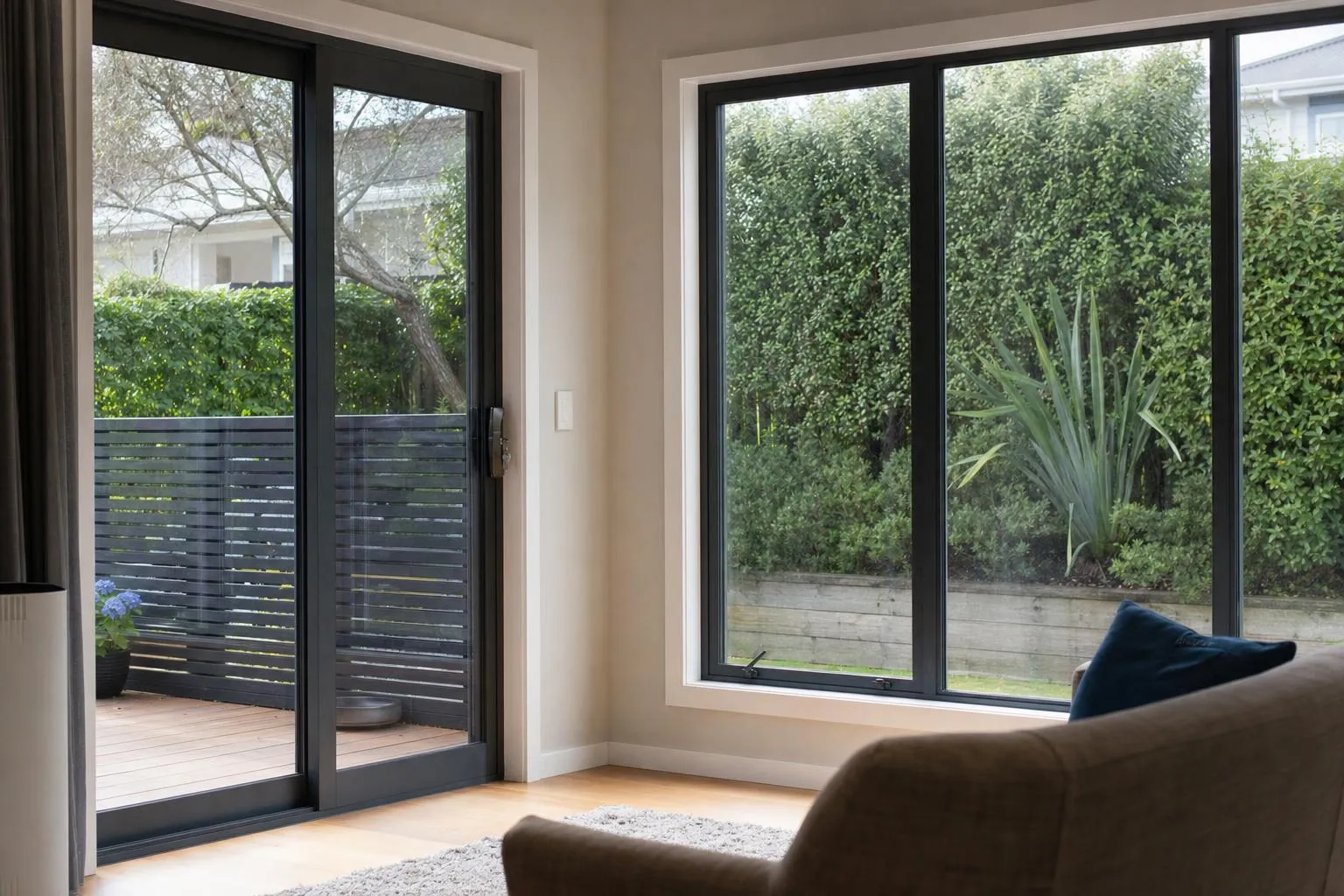
Aluminium, thermally broken, uPVC or timber frames
Standard aluminium
Slim and durable. It's the cheapest new frame, and also the coldest. The Building Code's reference table rates it at R0.24 with standard double glazing, and the frame still sweats on a frosty morning. See aluminium windows.
Thermally broken aluminium
It looks the same, but a plastic strip separates the inner and outer metal. R0.30 with standard glass, R0.46 with low-E and argon. Publishers put it 25 to 40% above standard aluminium.
uPVC
Plastic frames that are warm and quiet, at R0.37 with standard glass and R0.63 with low-E and argon. The profiles are chunkier and there are fewer colours. EECA favours uPVC or timber for replacement frames. See uPVC windows.
Timber
The warmest frame on paper, R0.41 to R0.71, and the one that keeps a villa looking like a villa. Publishers agree it's the dearest, and it needs painting. For an existing timber window, a retrofit into the timber frame is usually the better route.
Whole-window R-values from the Building Code's H1/AS1 reference table, standard double glazing and low-E with argon. Higher is warmer.
Consent and the Building Code for replacement windows
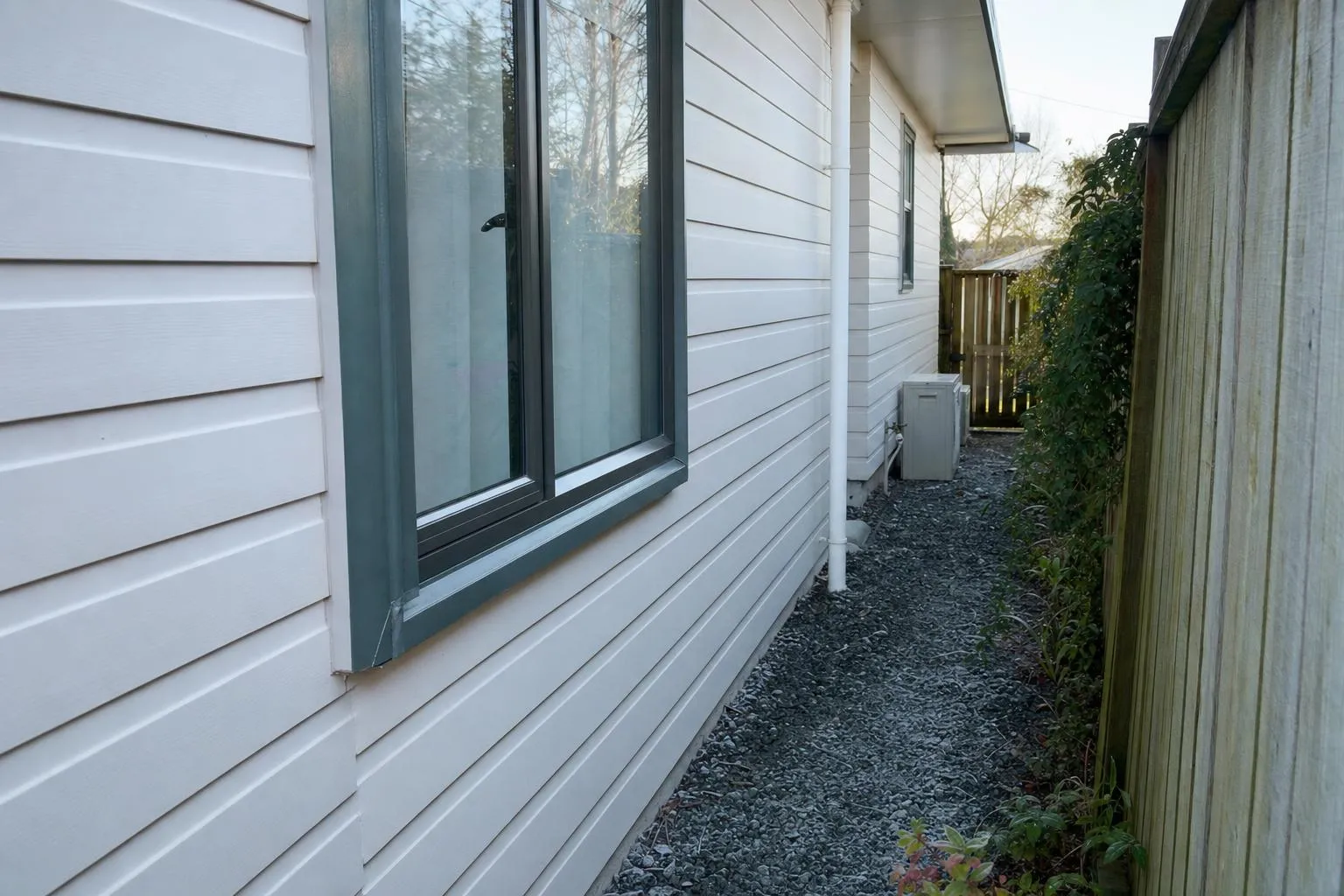
Building consent is usually not needed to replace windows in an existing house of up to two storeys. Schedule 1, exemption 8 of the Building Act covers work on windows and exterior doors, and MBIE's examples of exempt work include widening an opening with a new lintel and adding a window where there wasn't one. The exceptions are a window that failed within its required life (generally 15 years), work that affects a specified system such as sprinklers, or a building outside the exemption.
Being exempt doesn't mean anything goes. The work still has to meet the Building Code. Glass in doors, side panels, low panes, bathrooms and stairways has to be safety glass under NZS 4223.3, and a pane that wasn't safety glass before may need to be now. Fire rules apply within a metre of a boundary. And MBIE's guidance on insulation is that replacement joinery has to perform at least as well as what it replaces, without having to meet the full current standard for new builds.
Two more things to check. If your home is in a character area or heritage area, changing street-facing windows may need resource consent from the council, which is a planning matter separate from building consent. And official guidance doesn't say whether window replacement counts as restricted building work, so ask your installer whether a Licensed Building Practitioner will do or supervise the work.
Not sure if it's the frames or the glass?
Describe the windows and the installer can tell you which it's likely to be before anyone visits.
What replacement windows cost in Christchurch
Published NZ installer pricing for 2026, including GST: about $1,200 to $2,500 per window in standard aluminium and $2,000 to $3,500 in thermally broken aluminium, or $25,000 to $45,000 for a typical three-bedroom house in standard aluminium and $32,000 to $60,000 in thermally broken aluminium or uPVC windows. Sliding doors are priced like several windows. uPVC and timber aren't given a per-window figure here because the published sources disagree too widely.
Replacement quotes differ mostly because of what's included, which is covered below. The guide to how much double glazing costs has the full picture, including what a quote should itemise and the consumer protections that apply.
- Standard aluminium~$1,200–2,500 / window
- Thermally broken aluminium~$2,000–3,500 / window
- 3-bedroom, standard aluminium$25,000–45,000
- 3-bedroom, thermally broken or uPVC$32,000–60,000
Published NZ installer pricing, 2026, incl GST
What's included: architraves, sills and painting
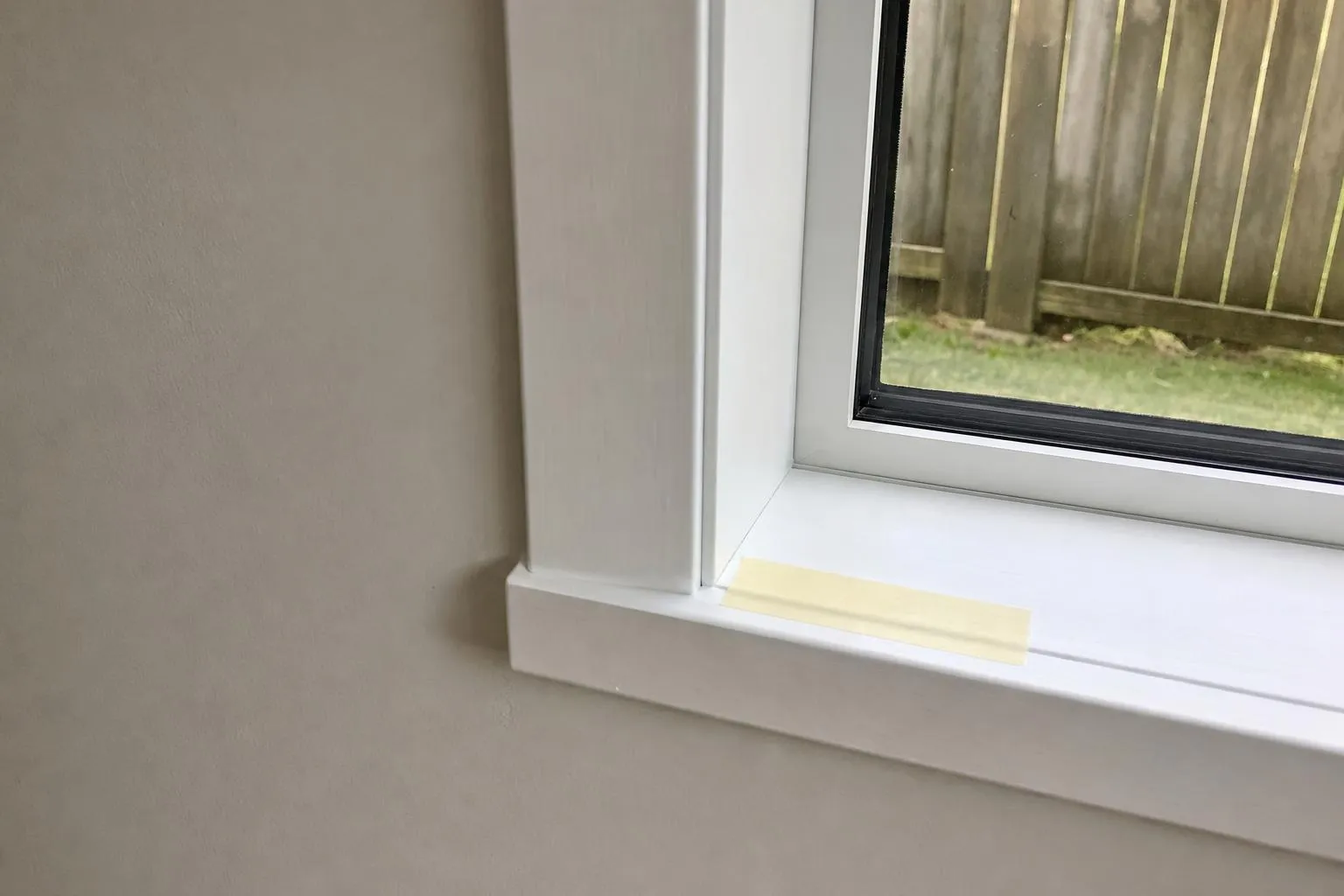
Taking a window out disturbs everything around it: the gib and paint inside, the architraves, the sill, the flashings and cladding outside. Some installers quote the window and the fitting only. Others quote all-in, with the making good included. Published figures put the installer-only version 20 to 30% under the all-in one, and Christchurch homeowners asking online whether new architraves and painting were included have been surprised both ways.
So ask whether the old windows are removed and taken away, whether new architraves and sills are included, who repairs the gib and cladding, who paints, and whether GST is included. Then ask about timing: the deposit, the lead time for the joinery, and the days on site, which Consumer NZ puts at a couple of days for a replacement job.
Replacing doors, sliders and bifolds with the windows
Most replacement quotes are for windows and doors together, and the doors change the numbers more than anything else. Decide early whether they're in the job.
Sliding doors
Priced like several windows. Published figures for a new aluminium sliding door run from about $2,500 to $5,000 at the low end to $6,000 to $12,000 from installers quoting larger sizes, including GST.
Bifolds and French doors
Bifolds are priced per leaf, so a wide opening adds up quickly. Widening an opening with a new lintel is still usually consent-exempt on a house of up to two storeys.
Safety glass
All door glass and side panels need safety glass under NZS 4223.3. It's heavier and dearer than a window pane, which is part of why doors cost more.
Floors and thresholds
A door or floor-level window next to tiles or timber flooring changes the fitting. Point it out at the measure so the threshold and making good are priced in.
Replacement windows FAQ
What is the average cost of replacing windows in NZ?
Published installer pricing for 2026 puts a new standard aluminium window at roughly $1,200 to $2,500 installed and a thermally broken one at $2,000 to $3,500, including GST. A typical three-bedroom house comes to about $25,000 to $45,000 in standard aluminium, or $32,000 to $60,000 in thermally broken aluminium or uPVC. The spread is mostly about whether making good is included.
Is it cheaper to replace all the windows at once?
Per window, yes. The measure, the delivery, the set-up and the scaffolding are spread over more windows, and publishers consistently say small jobs cost more per window. Doing the house in stages is still sensible if that's what the budget allows; ask for the whole house and the first stage priced side by side so you can see the difference.
Is it worth replacing 20-year-old windows?
Only if something is wrong with them. Aluminium joinery from the 2000s is usually sound, and if it's single glazed, a retrofit gets you double glazing for a fraction of the replacement price. If the units are already double glazed and one has fogged, replace that unit, not the window. Replace the whole window when the frame leaks, the seals have gone, or you want it to open differently.
Can a floor-level window be replaced if the floor is tiled up to it?
Usually, but it changes the job. The installer has to get the old frame out and the new one in without breaking the tiles, and the new window has to meet the safety glass rules for low-level glazing under NZS 4223.3, which it almost certainly does already if it's near the floor. Point it out at the measure so it's priced properly.
Get the frames looked at
The installer will tell you which windows can be retrofitted and which need replacing, and price each one.