How to stop condensation on your windows
Condensation on windows is warm, damp indoor air meeting cold glass. So there are two ways to deal with it. Put less moisture into the air and get it out faster, or make the glass warmer. Most Christchurch houses need some of both. Start with the free fixes below. If the windows are still wet every morning once the house is drier and warmer, the glass is the problem, and that's when double glazing makes sense.
Why windows run with water
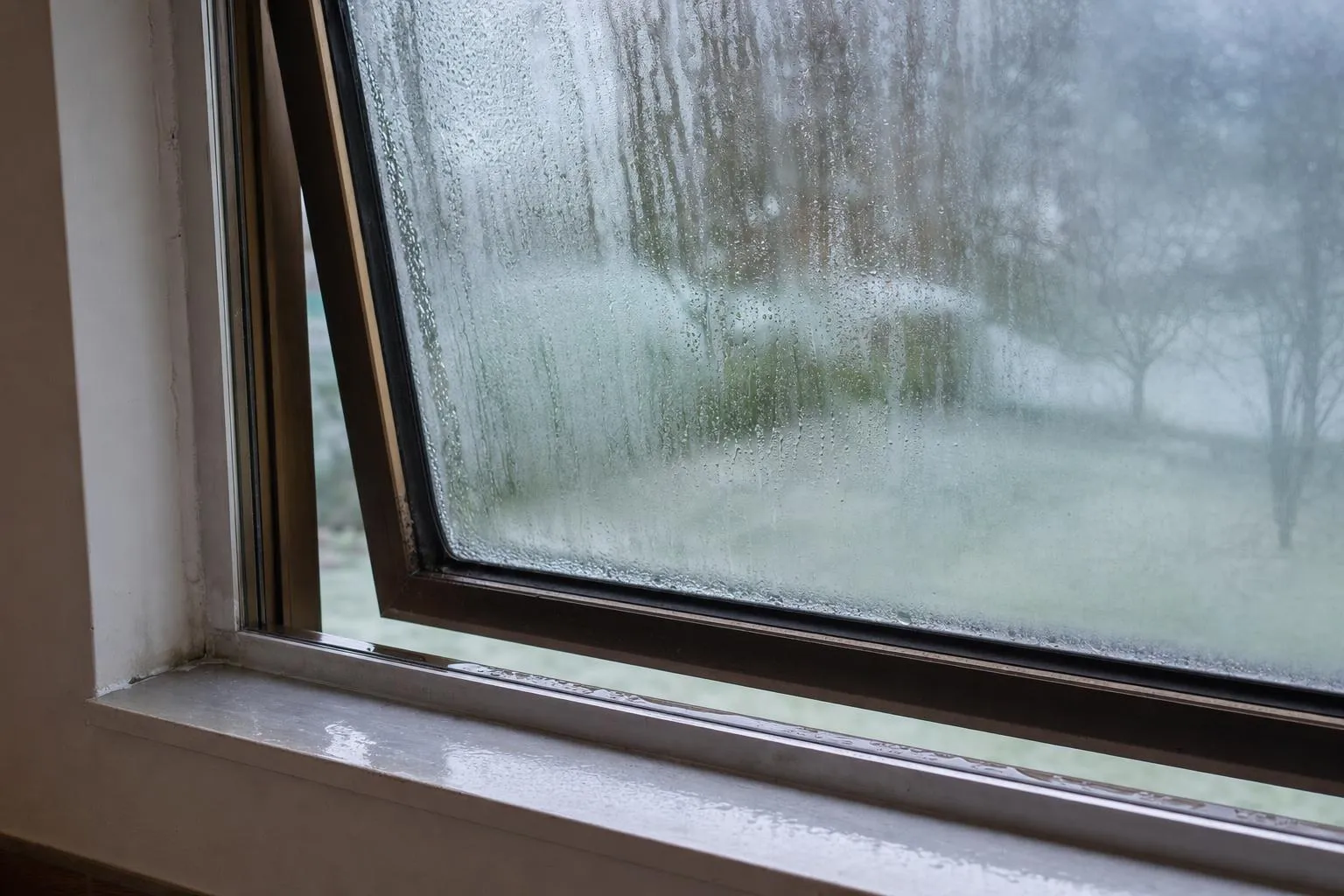
Air holds water as vapour, and warm air holds more of it than cold air. When the air in a room touches a surface cold enough, it can't hold what it's carrying and the water condenses out onto that surface. In a house, the coldest surface is nearly always the glass, and in a single-glazed house it's colder by a long way. The Building Code's reference figures put a single-glazed timber window at about R0.19, against R0.41 for standard double glazing in the same frame.
Christchurch makes it worse than most places. There are about 85 ground frosts a year, July nights average a low of 0.7°C, and on still winter nights the cold often settles over the plains. The glass gets very cold, the family breathes, showers and cooks, and by morning the bedroom windows are streaming. Aluminium frames add to it, because the metal is as cold as the glass and runs wet along the sill.
Fixes that cost nothing, or close to it
Open the house every day
Open windows on opposite sides of the house for ten minutes, even in winter, to swap damp air for dry. The Healthy Homes rule for rentals is an openable window in every living room and bedroom for exactly this reason.
Shut the door, open the window
Showers and cooking are the big moisture sources. Keep the bathroom and kitchen doors closed while they're in use, run the extractor if there is one, and open that room's window instead of letting the steam into the hall.
Dry washing outside or in one room
A load of washing dries by putting its water into your air. Hang it outside, in the garage, or in one closed room with the window open. Never in a bedroom.
Heat the house, not just the room
Warm air holds its moisture. A house heated to a steady, modest temperature condenses less than one heated hard in the evening and left to go cold overnight. Four out of five Canterbury homes have a heat pump, so if you have one, use the timer.
Curtains closed before dark
EECA puts the saving at about $80 to $90 a year. Full-length, thermal-lined curtains with a pelmet work best. Open them in the morning so the glass can dry.
Book the free energy check
Christchurch City Council funds a free in-home energy check through Community Energy Action that covers ventilation, windows, curtains and draughts. It's the cheapest expert opinion you'll get.
Wipe the glass in the meantime. Water left on a timber sill soaks in and rots it, and that's how condensation can turn a retrofit job into a replacement job.
When it's the windows
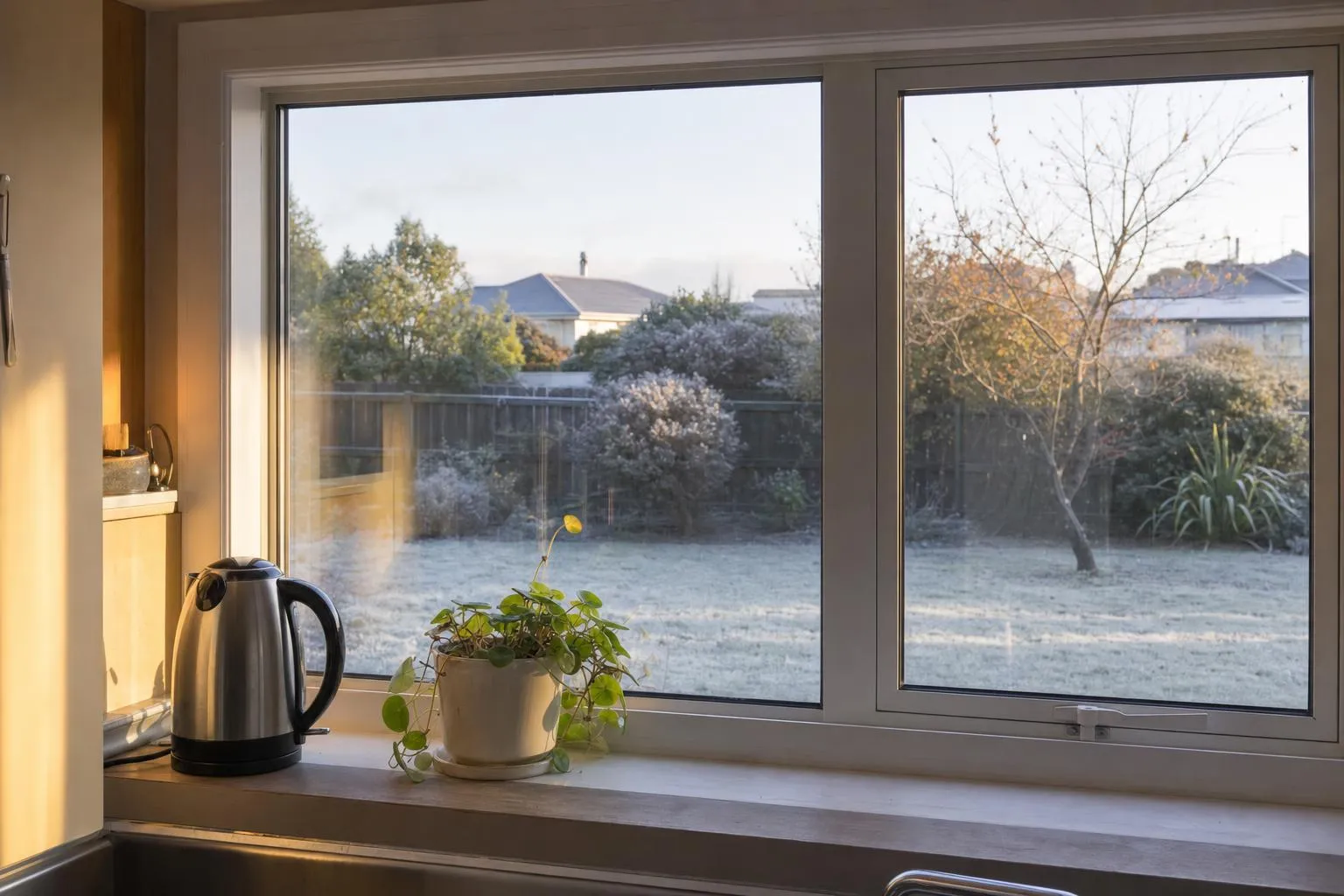
If the house is aired daily, the shower has an extractor, nothing dries inside and the heat pump runs on a timer, and the bedroom glass is still wet every morning, it's the glass. Single glazing can't be made warm enough, and neither can a standard aluminium frame.
The fix is a sealed double glazed unit, either fitted into your existing frames (retrofit double glazing) or as part of new windows. A sealed unit keeps the inner pane close to room temperature, and EECA's figures for the glass itself are that argon fill cuts heat loss by 5 to 20% and a low-E coating by up to 30% compared with plain double glazing. Timber and uPVC windows stay warmer than aluminium, and thermally broken aluminium windows sit between the two. The aluminium double glazing page explains why the frame matters as much as the glass.
If you need something cheap while you save, try EECA's shrink-film kits, which last a season but won't stick to aluminium, or secondary glazing panels in the worst rooms.
Condensation between the panes
Fog or water between the two panes of an existing double glazed window is a different problem. The unit's edge seal has failed, damp air has got into the gap, and it can't be cleaned or dried from outside. The unit has to be replaced. The good news is that only that unit needs replacing, the frame stays, and published figures put a replacement sealed unit in the low hundreds of dollars for a normal size.
Keep an eye out for this if you're buying an older house with double glazing. Fogged units mean the seals are at the end of their life, and the others may follow.
Does double glazing stop condensation?
Mostly on the glass, but not in the rest of the house. The water is still in the air, so a damp house with new windows finds the next coldest surface, often the frame, the corners of the ceiling or the inside of a wardrobe on an outside wall. What works is double glazing, airing the house and steady heating together. Do just one and you'll probably be disappointed.
Christchurch homeowners who've done it report the glass staying dry and standard aluminium frames still sweating in the coldest weather, which is what you'd expect. If dry frames matter to you, choose the frame as carefully as the glass.
Condensation FAQ
Does condensation mean I need new windows?
Not on its own. Condensation on the inside of the glass means the glass is cold and the air is damp, and you can do something about both. If it's still there after you've cut the moisture and warmed the house, the glass is the cold surface that's left, and double glazing is the fix. Water between the panes of an existing double glazed unit is different: that unit has failed and needs replacing, though the frame can stay.
Should I be worried about condensation on windows?
A little on a frosty morning is normal in a single-glazed Christchurch house. Water pooling on the sill every day, black mould in the corners of the frame or on the curtains, or a musty smell means the house is too damp, which is a health problem before it's a window problem. Deal with the moisture first, then the glass.
What causes so much condensation on my windows?
Cold glass and wet air. Christchurch averages about 85 ground frosts a year and July nights around 0.7°C, so single glazing gets very cold, and everyday living puts litres of water into the air: showers, cooking, drying washing inside, breathing. Warm damp air hits the cold pane and the water comes out of it. The colder the glass and the wetter the air, the more you get.
Does double glazing eliminate condensation?
It cuts it right back on the glass, because the inner pane stays close to room temperature. It doesn't remove the moisture, so a very damp house can still fog the glass, and a standard aluminium frame stays cold and can still run wet. Ventilation and heating do the rest.
If it's the windows, get them looked at
An installer can tell you whether your frames will take a sealed unit and what it would cost. No obligation to go ahead.