Is retrofit double glazing worth it?
Yes, if your frames are sound and the house is already insulated. Retrofit gives most of the warmth of new windows for a fraction of the price, and it's the fix for windows that run wet every winter morning. No, if the frames are rotten or too slim. Replace them instead. If you rent or have leadlight windows, look at secondary glazing. And if the ceiling isn't insulated yet, do that first, because double glazing makes the most difference in a house that already holds its heat.
That's the quick version. The detail is below, because "worth it" depends on what you're comparing it with. People asking on Christchurch forums are usually weighing it up against a heat pump, a ventilation system or a set of thermal curtains. The job itself is described on the retrofit double glazing page, and the site is double glazed windows for Christchurch homes.
Retrofit vs new windows vs secondary glazing
| Retrofit | Replacement | Secondary glazing | |
|---|---|---|---|
| Keeps your frames | Yes | No | Yes |
| Keeps the original glass | No | No | Yes |
| Published price, incl GST | $400–1,200 per pane; $10,000–25,000 for a 3-bedroom house | $1,200–3,500 per window by frame; $25,000–60,000 for a 3-bedroom house | Not published here, because sources differ by 2 to 4 times. Every source says it's well under retrofit |
| Warmth (whole-window R-value) | R0.24–0.41 with standard glass, R0.35–0.71 with low-E and argon, depending on the existing frame | Same glass figures, plus the choice of a warmer frame: uPVC R0.37–0.63, thermally broken aluminium R0.30–0.46 | Less than a sealed unit. EECA says it's cost-effective if the original window is in good condition |
| Frame condensation | Improved, not fixed, on standard aluminium | Fixed with thermally broken, uPVC or timber frames | Reduced on the glass; the frame is unchanged |
| Making good | Beads and a little paint | Architraves, gib, paint, sometimes cladding. Consumer NZ says it's usually a couple of days on site | Little to none |
| Suits | Sound frames with a deep enough rebate | Rotten, draughty or very slim frames; changing how a window opens | Renters, leadlights, heritage glass, tight budgets |
R-values are whole-window figures from the Building Code's H1/AS1 reference table. Single glazing in timber is about R0.19. Prices are published NZ installer pricing, 2026.
When retrofit is the right call
You have sound frames and single glazing, and the windows are cold and wet in the mornings. That describes most of the roughly three quarters of Christchurch homes built before double glazing became the rule in late 2007, and it's where retrofit makes the most sense. You get the same glass as a new window, but you only pay for the glass, not new joinery and making good as well.
It's also the right call for a character home. The council's design guides for the Dudley and Heaton character areas ask for existing window detailing to be kept, and retrofit keeps it.
When replacing the windows is better
When the frame is the problem. That means rot in the joints, aluminium profiles too slim to hold a unit, sashes that have twisted, or joinery so draughty that new glass would be wasted. Also when you want a different window: a bigger opening, a slider where there was a casement, or a bifold, in new aluminium joinery or uPVC. Replacement is dearer, roughly 30 to 40% more than retrofit for the same house according to publishers who give both figures, and more again once making good is added. But it fixes the frame as well as the glass. The replacement windows page covers frames and consent.
When secondary glazing makes sense
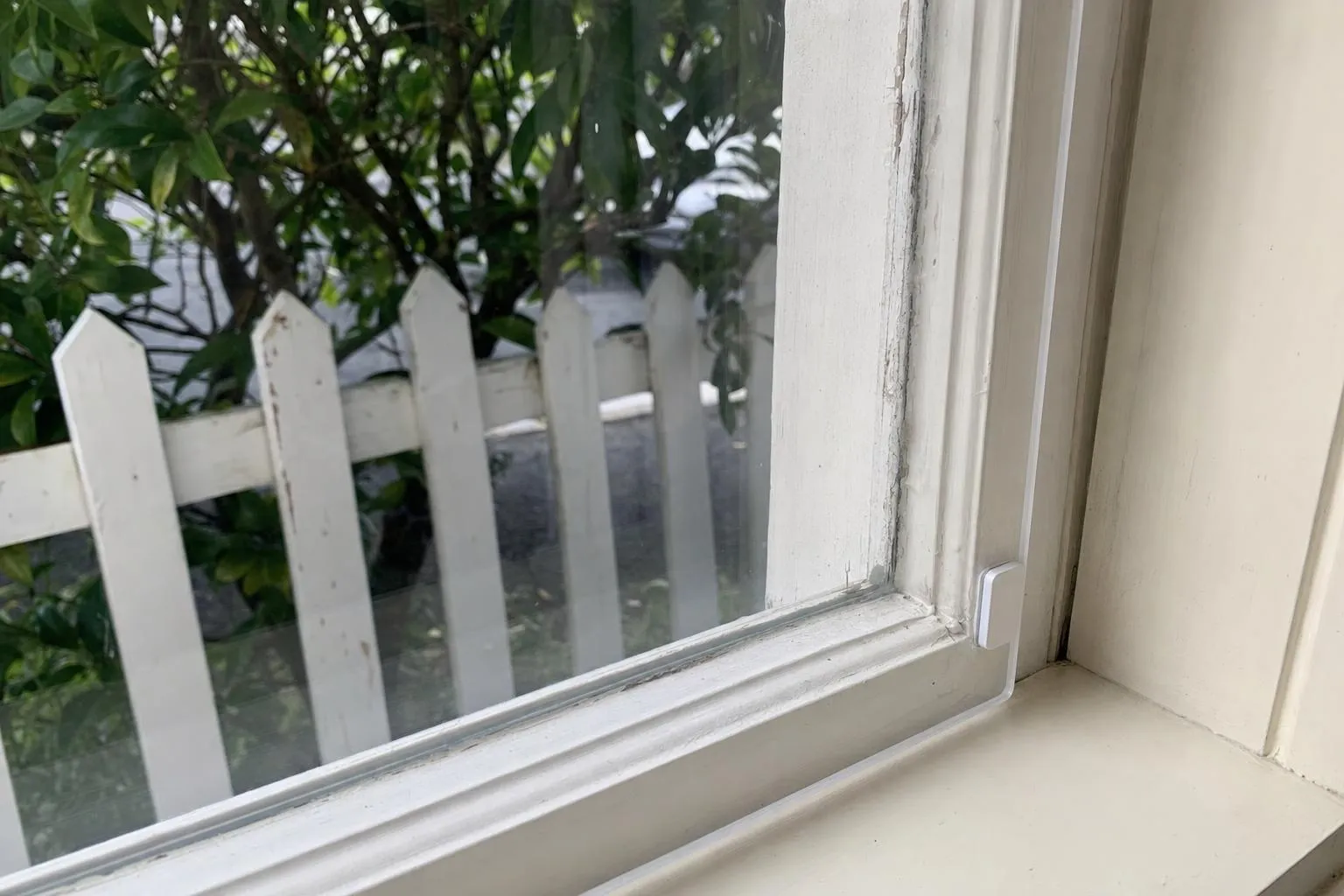
Secondary glazing is a second pane, usually acrylic, held inside the existing window on a magnetic strip or a slim frame. The original glass stays. EECA lists it as the most cost-effective of the three routes, as long as the existing window is in good condition, and it's reversible, which matters if you rent or if the house is in a heritage area.
It's also the answer for leadlights and stained glass that can't take a sealed unit. What it won't do is match a sealed unit for warmth or stop draughts through the original sash, and the panels come off for cleaning. We haven't put a price on it, because the published figures differ by two to four times.
What double glazing won't fix
- A damp house. Double glazing stops the glass being the coldest surface, so less water condenses on it. The moisture is still in the air. Drying washing inside, showers without extraction and a house that's never opened will find another cold surface. See how to stop condensation on your windows.
- A cold house with no heating. Glass keeps heat in, but it doesn't make any. Christchurch averages 2,370 heating degree days a year and 85 ground frosts, and a heat pump is in four out of five Canterbury homes for a reason.
- Draughts. New glass in an old sash leaves the gaps around the sash exactly where they were. Ask for draught seals in the same job.
- Frame condensation on standard aluminium. It helps, but it won't cure it. Only a thermally broken, uPVC or timber frame fixes it.
- Half a house. One Christchurch homeowner reported that glazing half the house made no noticeable difference. Do all the rooms you live and sleep in together.
Windows, heat pump or insulation first?
If you're doing one job a year, start with the one you can get help paying for. Ceiling and underfloor insulation is the only job with a government grant behind it, at 50 to 90% of the cost through Warmer Kiwi Homes for eligible owners of pre-2008 homes. Do that first. Consumer NZ's figure is that once a single-glazed house is well insulated, about half the heat it loses goes through the windows, which is when the glass becomes the next big item.
Heating and glazing go together. A heat pump makes the heat and double glazing keeps it in. Have one without the other and the house is either cold or expensive to heat. If the budget stretches to neither this year, EECA's cheaper suggestions are thermal curtains closed before dark, worth about $80 to $90 a year, and window film kits for a season. The double glazing finance page has the schemes, and the cost of double glazing guide has the numbers.
Retrofit or replace FAQ
Is retrofitting double glazing worth it in NZ?
Where the frames are sound and the house is otherwise insulated, yes, on comfort and condensation. EECA's figure is that a poorly insulated home can lose up to 40% of its heating energy through the windows, and double glazing brings that to 25% or less. On the power bill alone the payback is slow, and nobody publishes a defensible payback year for a Christchurch house, so treat any precise saving as a guess.
Should I retrofit or replace?
Retrofit if the frames are straight, sound and deep enough for a sealed unit. Replace if they're rotten, badly draughty, too slim for a unit, or you want to change how the window opens. Standard aluminium frames are the grey area: retrofit gives most of the gain for the least money, while thermally broken replacement fixes frame condensation too, at several times the cost.
What are the downsides of secondary glazing?
It's less effective than a sealed unit, it doesn't fix draughts through the original window, the panels have to come off for cleaning, and it changes how the window looks from inside. It also depends on the existing window being in good condition. In its favour, it's cheap, reversible and the only option for leadlight and some heritage glass.
Can I install secondary glazing myself?
The simple versions, yes. EECA describes window film kits as a low-cost DIY option that lasts about a season and won't stick to aluminium frames, and acrylic panels on magnetic strips are sold as kits. Measure carefully, and don't cover a window you need to open for ventilation or as an escape route. For leadlights or a whole house, a supplier will usually do a neater, longer-lasting job.
Does double glazing add value to a house?
Nobody's put a reliable number on it, so we won't guess. What can be said is that new homes have effectively required double glazing since 2007, and a house that still runs wet every winter morning is an easy thing for a buyer to notice.
If your frames are sound, find out what it would cost
An installer looks at the frames and tells you which route makes sense.